When shipping hygroscopic materials, container conditions play a critical role in maintaining product quality.
Since international transit typically takes several weeks, products are inevitably exposed to varying weather conditions and climate changes throughout the journey.
These environmental fluctuations can significantly affect moisture content.
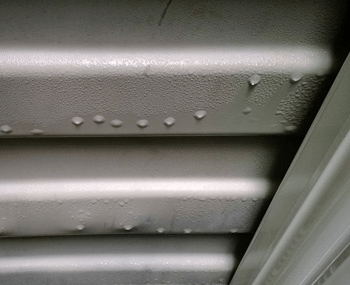
The Hidden Risk: Moisture-Induced Caking
For powdered products, moisture variation is not just a minor issue—it can directly impact usability.
Even a slight increase in moisture can cause:
- Caking (particles sticking together)
- Formation of hard lumps
- Reduced flowability
In many cases, this leads to non-conformance and rejection by customers, making moisture control a key factor in logistics planning.
A Real-World Example of Environmental Impact
An interesting example of how environmental conditions affect product characteristics can be seen in Jefferson’s Ocean Aged at Sea.
This bourbon was developed through an intentional experiment where barrels were aged aboard ships during ocean voyages.
The constant motion, temperature fluctuations, and varying humidity enhanced the interaction between the spirit and the oak, resulting in unique flavor profiles that are difficult to replicate under conventional warehouse conditions.
While this effect is beneficial for bourbon, for most industrial materials, such environmental exposure can negatively impact product quality.
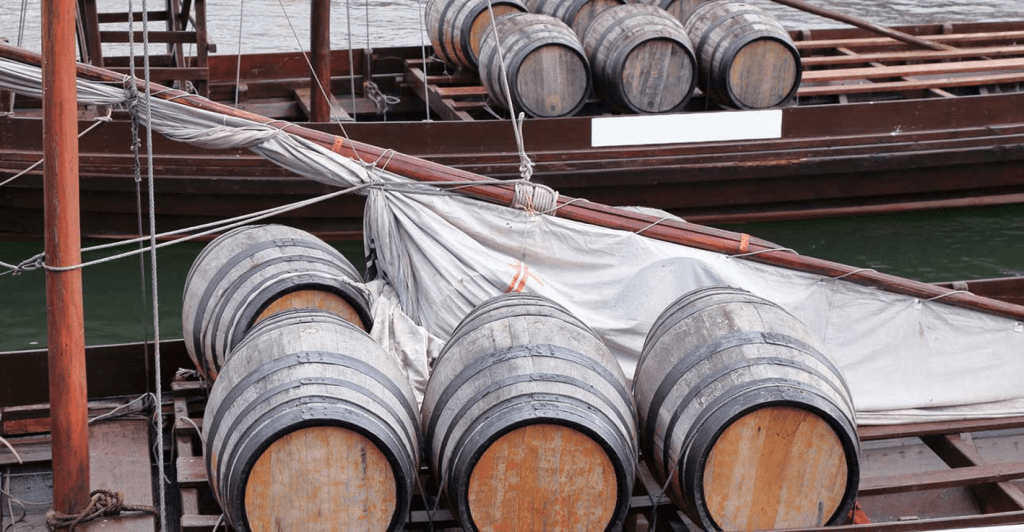
Source: GETTY IMAGES/vuk8691
Why Moisture Forms Inside Containers
Moisture inside containers is mainly caused by temperature differences between internal and external environments:
- Day–night temperature fluctuations
- Climate changes across regions during transit
These changes can lead to condensation, often referred to as “container rain.”
Practical Solution: Using Desiccants
To control moisture variation during shipping, the most common and effective solution is the use of container desiccants.
Installation Methods
- Hung on the wide of walls of containers using hooks
- Adhesive type (attached to container walls or cargo)
- Loose type (placed inside cargo or on the floor)
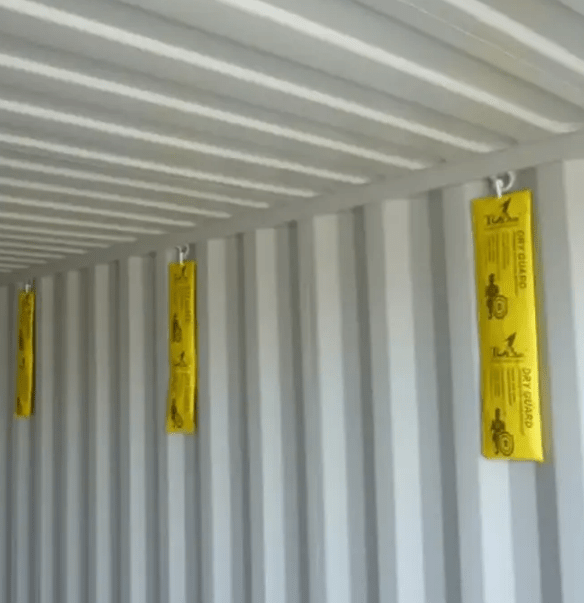
Types of Desiccants
Commonly used desiccants include:
- Calcium chloride (CaCl₂)
- Silica gel
Each type has different absorption capacities and should be selected based on shipment conditions.
How to Determine the Right Amount
Proper desiccant usage is not arbitrary. A structured approach is recommended:
- Cargo assessment
- Installation of temperature and humidity sensors
- Data collection and analysis
- Calculation of optimal desiccant quantity
Key Takeaway
Moisture variation during shipping is not just an environmental issue—it is a quality risk.
By understanding the causes and implementing proper moisture control measures such as desiccants, companies can significantly reduce the risk of product damage and customer rejection.
 Real insights from the world of global trade