FOB (Free On Board) is one of the most widely used Incoterms in international trade. However, it is also one of the most misunderstood—particularly when it comes to containerized shipments.
A common misconception is that under FOB terms, the seller (exporter) is responsible for arranging the entire shipment, including container handling and delivery to the port. In reality, this is not the case.
1. The Buyer Controls the Main Carriage
Under FOB terms, the responsibility for arranging the main carriage lies with the buyer.
This means:
- The buyer appoints a freight forwarder
- The buyer books the vessel with the shipping line
- The buyer determines the shipping schedule and routing
The seller’s responsibility is limited to delivering the goods onboard the vessel at the agreed port of shipment.
2. How Container Allocation Actually Works
Another common misunderstanding is that the shipping line assigns a specific container in advance.
In practice, the process works differently.
Once the booking is confirmed:
- The shipping line issues a booking confirmation
- Based on this, an empty container is released for pickup at a container yard (CY)
- The exporter or their local forwarder arranges pickup of the empty container
In other words, the exporter does not receive a pre-assigned container number in advance. Instead, the container is physically picked up and then used for stuffing based on the booking details (such as container type, vessel, and cut-off schedule).
3. The Role of the Exporter
The exporter’s role under FOB is operational, not logistical control.
The exporter:
- Prepares the cargo
- Arranges container stuffing
- Ensures delivery to the port terminal
- Completes export customs clearance
However, all of this is done based on the booking arranged by the buyer.
This distinction is important:
The exporter executes the shipment, but the buyer controls the transportation.
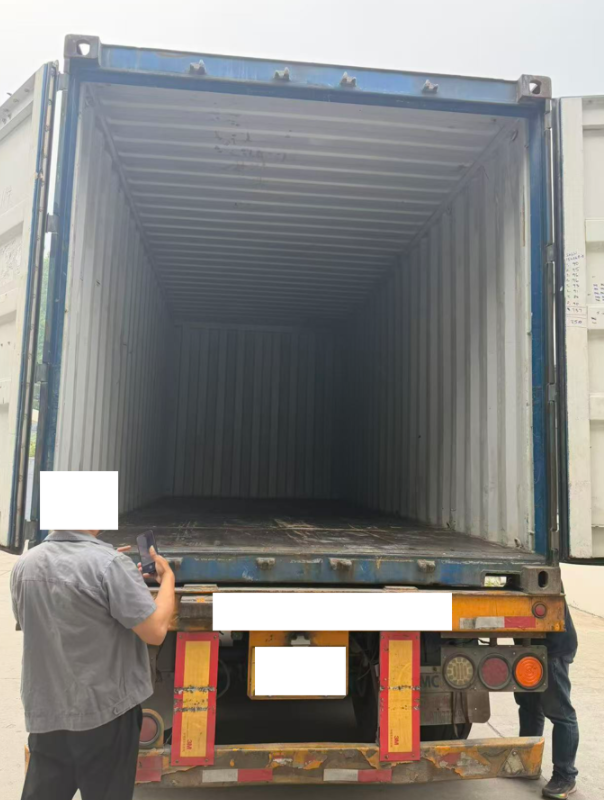
For more information on different types of containers, please read ✨↓↓↓✨
Which containers to use? – Real insights from the world of global trade
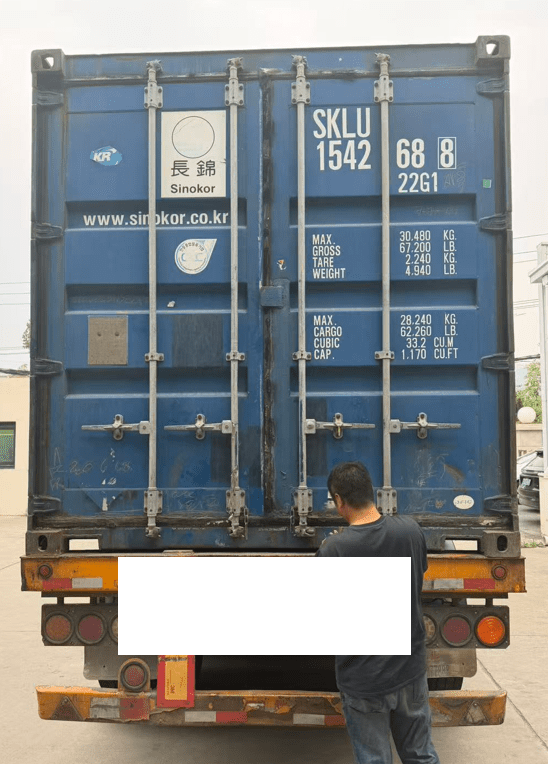
4. Container Sealing and Cargo Integrity
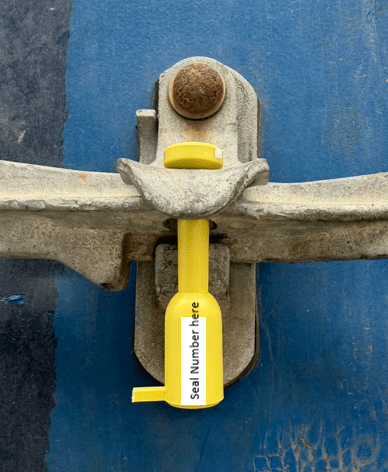
Once the container is packed, it is closed and sealed using a container seal.
This seal serves a critical function:
- It ensures the container has not been opened or tampered with during transit
- It acts as a security and integrity indicator for the cargo
Under normal circumstances:
- The seal remains intact from the point of origin to the final destination
However, there are exceptions:
- Customs authorities may break the seal for inspection
- A new seal is typically applied after inspection
For this reason, seal condition upon arrival is an important checkpoint in verifying cargo integrity.
5. Why FOB Can Be Misleading for Container Shipments
While FOB is still widely used, it is not always the most appropriate term for containerized cargo.
In container shipping:
- The container is handed over to the carrier before loading onto the vessel
- The seller often does not control the exact loading process
For this reason, FCA (Free Carrier) is often considered more accurate in modern logistics practice.
6. Summary
FOB does not mean the seller manages the entire shipment up to the port arrival.
Instead:
- The buyer controls the main carriage and vessel booking
- The exporter performs the physical execution of the shipment
- The container is released based on booking
- The seal ensures cargo integrity during transit
Understanding these distinctions is essential to avoid operational confusion and ensure smooth international shipments.
Trivia Q&A:
Q: Is the seal always yellow?
A: No. Container seals come in a variety of colors, depending on the manufacturer or supplier. Common colors include blue, red, green, white, and yellow. The color is not standardized and does not carry any specific operational meaning.
Q What about container colors?
A: Typical container colors vary by shipping line. For example:
- Blue — commonly used (e.g., Sinokor, some Maersk containers)
- Red — used by Hapag-Lloyd
- Green — used by Evergreen
- White or gray — used by various operators
- Yellow — used by some shipping lines
Container colors are not standardized and depend on the shipping line or leasing company.

