Running a trading business often means storing years of important records digitally: supplier contracts, shipment records, customs documents, quotations, invoices, technical files, certifications, customer communications and market research accumulated over time.
Many people assume these files are “safe” simply because they are stored on an external hard drive. Unfortunately, accidents happen much more easily than we think.
Recently, I experienced exactly this situation myself. My sister and I happened to use external hard drives that looked almost identical — same steel blue color, very similar design. By mistake, I used her external drive to save some files.
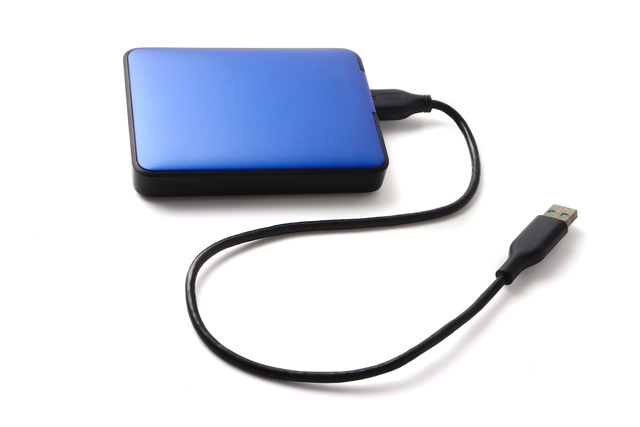
What made the situation much worse was that I decided to format the drive in order to create more storage space. At the time, I remember thinking:
“Why are there so many unfamiliar old software files here?”
Only later did I realize the drive was not mine — and panic immediately followed.
As someone involved in international trading, I immediately thought about how disastrous this type of situation could become if important business records disappeared permanently. After researching various recovery methods online, I discovered that even after formatting a drive, there may still be a chance of recovering the files.
Why This Matters Even More in Trading Businesses
In trading businesses, document retention is not just about internal organization. For example, in Korea, companies are generally required to retain accounting books, tax records, invoices, and supporting documents for at least five years. In cross-border transaction cases, the retention period may extend even longer depending on the nature of the transaction and regulatory review.
In practice, customs, foreign exchange, tax, and transaction-related reviews may involve records going back many years, especially for international transactions.
That means losing old records is not simply an inconvenience — it can potentially become:
- a customs issue, a tax issue, a compliance issue, or even a payment verification issue later on.
This is especially true in international trading where historical shipment records, commercial invoices, packing lists, and payment trails may become important long after the transaction itself has finished.
Tip 1: Do Not Give Up Too Quickly
The first reaction from almost everyone around me was:
“If you formatted the drive, it’s over.”
However, in many cases, especially after a quick format, the actual data may still physically exist on the drive until new data overwrites it.
This means recovery can still be possible depending on:
- the type of formatting
- whether the drive was reused afterward
- the operating system involved
- and the condition of the storage device itself
There are also many professional recovery software options available today, including both commercial and free tools.
Tip 2: Timing Is Extremely Important
This is probably the most important point.
The moment you realize the mistake, stop using the drive immediately.
Every additional file written onto the drive increases the chance that old data will be overwritten permanently.
In other words:
- copying files
- installing programs
- moving folders
- or repeatedly plugging the drive into different systems
can all reduce the likelihood of successful recovery.
The less the drive is used after formatting, the higher the probability of recovering the original data.
Tip 3: Professional Recovery Services Can Be Worth It
If the lost files are important business records, it may be worth consulting a professional recovery specialist. In Korea, recovery costs can vary depending on the situation, but cases around USD 100–150 are not uncommon for logical data recovery work involving external storage devices.
This issue is not limited to hard drives alone, but can also involve other storage devices such as mobile phones, SSDs, USB drives, and memory cards.
In more urgent mobile phone recovery cases, some emergency recovery services in Korea may charge around USD 300–400. In my own case, I used a professional recovery service once for mobile phone data recovery, and the process took approximately 24 hours — including the recovery of data that was more than a year old (and yes, it was possible!).
Factors that affect recovery difficulty include:
- Was it a quick format or full format?
- Was the drive used afterward?
- Was the drive originally formatted on Windows or macOS?
- Is there physical hardware damage?
- Was encryption enabled?
Every case can be different.
Key Takeaways
In international trading, we often focus heavily on logistics, customs, payment terms, compliance, and contracts — topics I frequently discuss on this blog — but digital file management and historical record retention are equally important.
One mistaken format, accidental deletion, or damaged hard drive can potentially wipe out years of operational history.
After this experience, I realized something very simple:
Backup is not optional in business. Especially in trading operations where documentation is everything. Always maintain proper backups, and if files are lost, explore every possible recovery option before giving up.
 Real insights from the world of global trade