Different Types of Cargo Container Security Seals
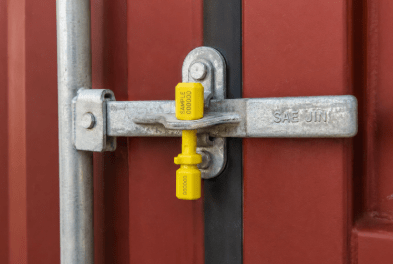
▶ Bolt seal
▶ Strap seal
▶ Wire seal
▶ Barrier seal
Does a Container Seal Change When the Carrier Changes During Transshipment?
One would wonder whether a container seal must be changed when cargo is transshipped and the carrier changes during the journey.
The short answer is: No
Even if a container is transshipped at an intermediate port and transferred to another carrier, the original seal can remain intact as long as the container is not opened.
When Does the Seal Remain the Same?
In most transshipment operations, containers are simply transferred from one vessel to another without being opened.
Typical examples include:
- The container is moved from Vessel A to Vessel B at the transshipment port.
- The container remains sealed throughout the process.
- The carrier changes, but the same container continues to the final destination.
In these cases, the original seal number remains valid and is usually shown on the Bill of Lading (B/L) and other shipping documents.
Example
- Busan → Singapore: MSC
- Singapore → India: CMA CGM
Even though the carrier changes at Singapore, the container may continue with:
- Container No.: ABCD1234567
- Seal No.: 987654
without any change to the seal.
When Can the Seal Be Changed?
There are several situations where a seal replacement may be necessary.
1. Customs Inspection
Customs authorities may require the container to be opened for inspection at a transshipment port or destination port.
In such cases:
- The original seal is removed.
- Customs conducts the inspection.
- A new seal is applied after inspection.
- Records such as a Customs Inspection Report or Replacement Seal Record are usually issued.
2. Container Stripping and Restuffing
Seal changes may occur when cargo is removed and reloaded.
Examples include:
- LCL cargo consolidation or deconsolidation.
- Cargo being transferred to another container.
- Repacking or restuffing operations.
Since the original container is opened, a new seal is required.
3. Carrier or Terminal Operational Requirements
In some countries or terminals, operators may replace seals for security or operational reasons.
Although this is relatively uncommon, it can happen depending on local regulations or terminal procedures.
4. Container Damage
If the container or seal is damaged during transportation:
- The damaged seal may be removed.
- A replacement seal is attached.
- Relevant records should be maintained by the carrier or terminal.
Does a Change of Carrier Automatically Mean a Change of Seal?
No.
A carrier change does not automatically result in a seal change.
As long as the container remains unopened and is simply transferred between vessels, the original seal is generally maintained throughout the journey.
Therefore:
Transshipment + Carrier Change ≠ Seal Change
Best Practice for Importers and Exporters
When cargo arrives at its destination, always verify that the actual seal number matches the seal number shown on the shipping documents, including:
- Bill of Lading (B/L)
- Packing List
- Shipping Instructions
- Arrival Notices
If a different seal number is found, it is advisable to request supporting documentation from the carrier, such as:
- Seal Change Report
- Customs Inspection Report
- Transshipment Report
- Terminal Handling Records
These documents can help explain why the seal was changed and provide assurance that the cargo remained under proper control throughout transportation.
★★★Key note★★★
In international maritime transportation, transshipment and carrier changes are common operational practices. However, they do not automatically require a container seal replacement.
The key factor is whether the container was opened during transit. If the container remains sealed and intact, the original seal can often remain unchanged all the way to the final destination.
For importers and exporters, monitoring and verifying seal numbers remains an important part of cargo security and shipment control.

